Introduction
A Stewart platform, or hexapod, is a parallel manipulator with six degrees of freedom (DOF): surge (X), sway (Y), heave (Z), roll (X-axis rotation), pitch (Y-axis rotation), and yaw (Z-axis rotation). It is widely used in flight and car simulators to reproduce vehicle dynamics through platform motion.
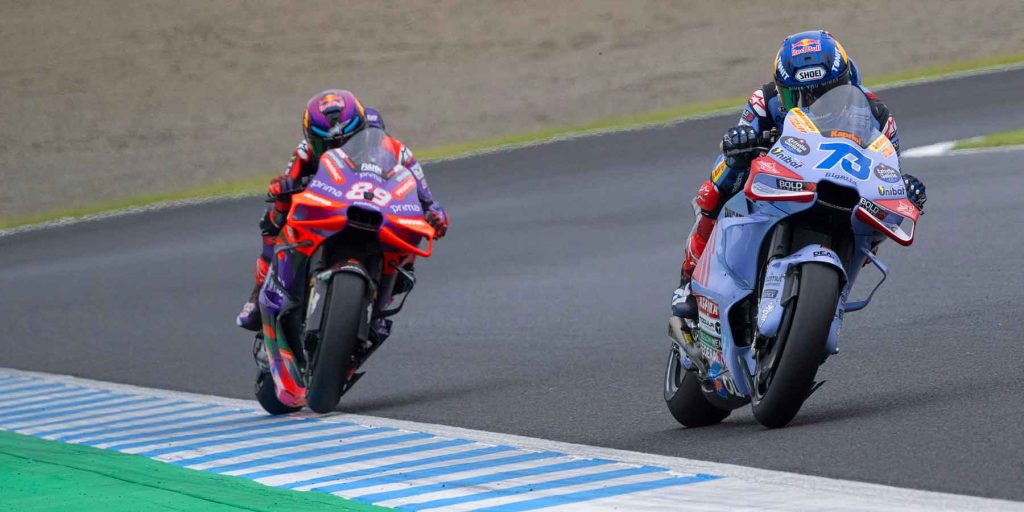
However, simulating a motorcycle is fundamentally different. Unlike in cars, motorcycle riders do not feel lateral G-forces as sideways pushes. Instead, they lean into turns, aligning their bodies with the resultant of gravity and centrifugal forces. This makes conventional use of sway and roll in a Stewart platform unsuitable for motorbike simulation.
Core Concept
To simulate motorcycle dynamics more realistically, we propose a hybrid system:
- A 6DOF Stewart platform to reproduce translational forces and pitch-related effects.
- A rider-actuated roll mechanism is implemented beneath the Stewart platform, allowing the entire 6DOF system including the mounted motorcycle cockpit to pivot around the longitudinal axis. This approach preserves the inertial feel and mass of the system while enabling the rider to perform natural leaning motions. It also isolates roll input from the platform logic, ensuring the lean is purely rider-controlled and not artificially induced.
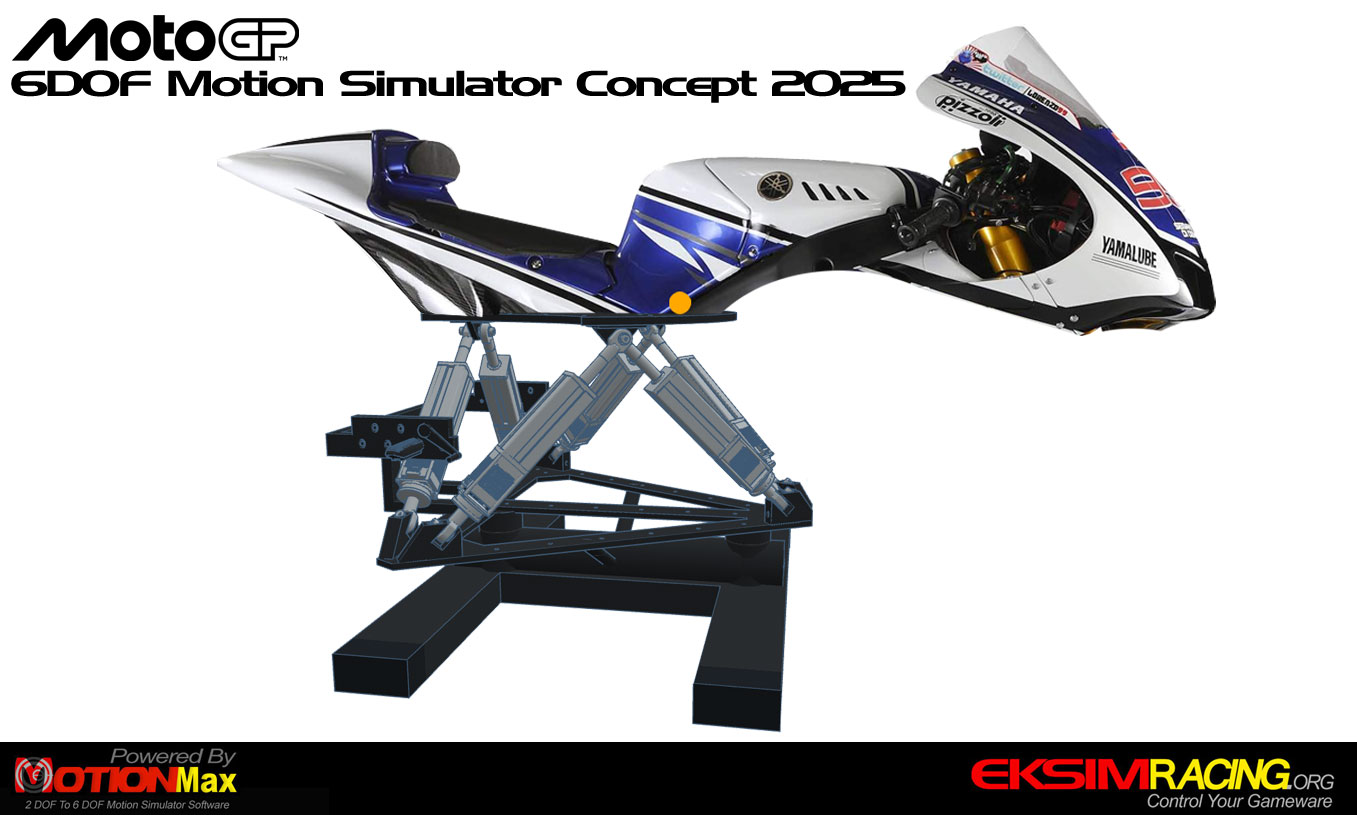
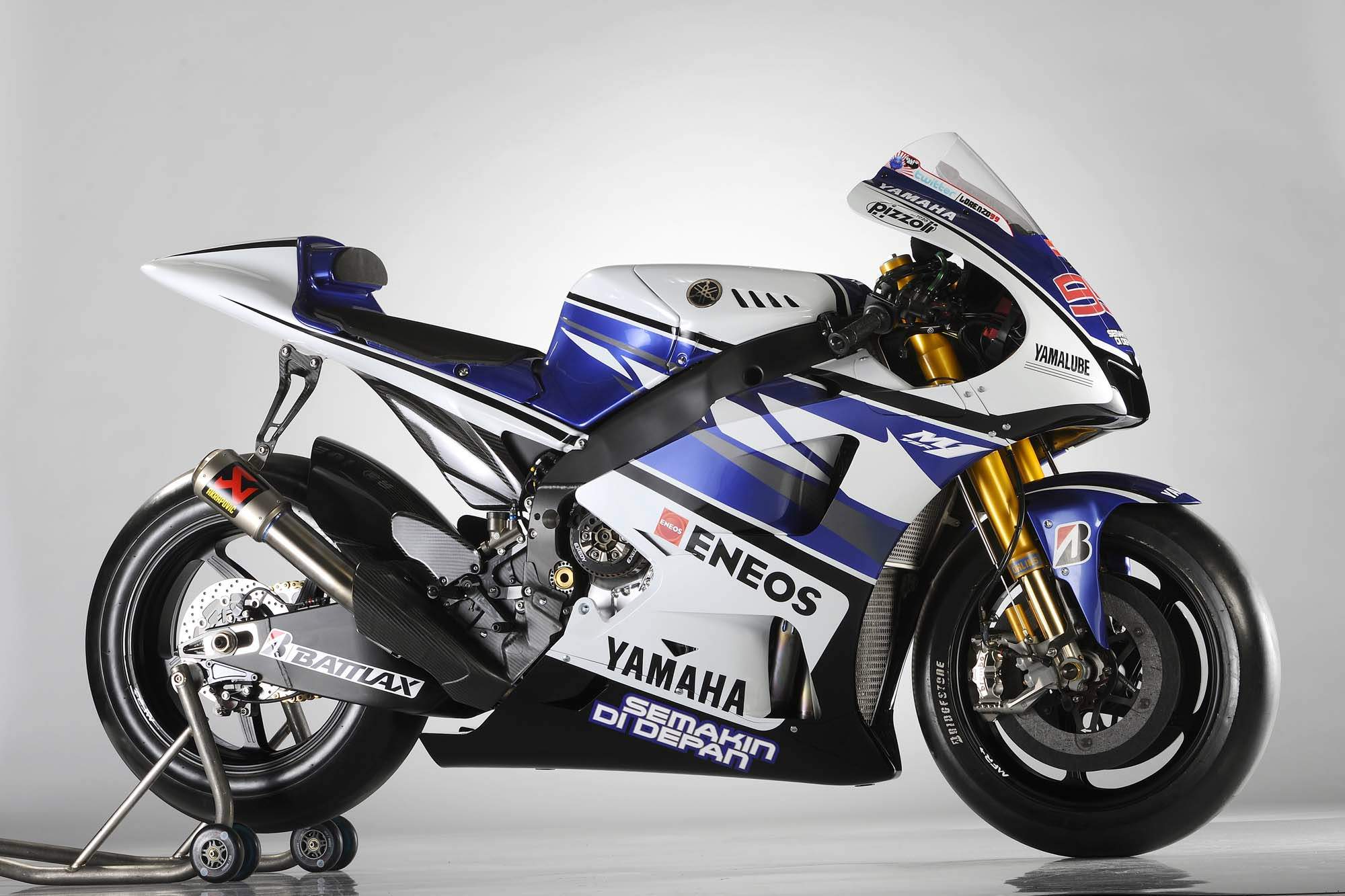
This setup decouples physical roll from the platform, letting the rider’s own body movements dictate lean angle, just as in real riding. The Stewart platform beneath focuses purely on generating vertical (heave), forward (surge), and pitch motion cues.
Input Mapping
Motorbike telemetry from simulation software typically includes:
- Pitch angle (used)
- Yaw rate (ignored)
- Roll angle (ignored)
- Lateral acceleration (used only for visual display, not platform cueing)
- Longitudinal acceleration (used)
- Vertical acceleration (used)
Platform Motion Mapping:
Let:
- ax: longitudinal acceleration
- ay: lateral acceleration
- az: vertical acceleration
- θ: pitch angle
- ϕ: roll angle (ignored)
- ψ: yaw angle or yaw rate (ignored)
Then:
- Surge (X translation) ∝ax
- Heave (Z translation) ∝az
- Pitch (X-axis rotation) ∝θ
- Roll & Yaw = 0 (excluded from cueing)
- Sway (Y translation) = 0, except rare conditions (see below)
Based on my work, a hypothetical game profile for a motorbike using the MotionMax 6DOF motion simulator (FREX edition) can be created as a starting point and adjusted by the user as needed (see the screenshot below). The sway in the game profile below is still “in use” in case you want to add a very little lateral effect but I recommend to turn it off.

Why Sway Is Not Needed When Cornering
When a motorcycle corners, the rider and bike lean into the turn, aligning with the resultant of gravity and the centrifugal acceleration. The total force vector becomes vertical in the rider’s frame of reference, resulting in no perceptible lateral force. The lean angle β\beta is given by:
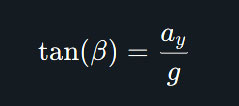
Where:
- ay is lateral acceleration
- g is gravitational acceleration
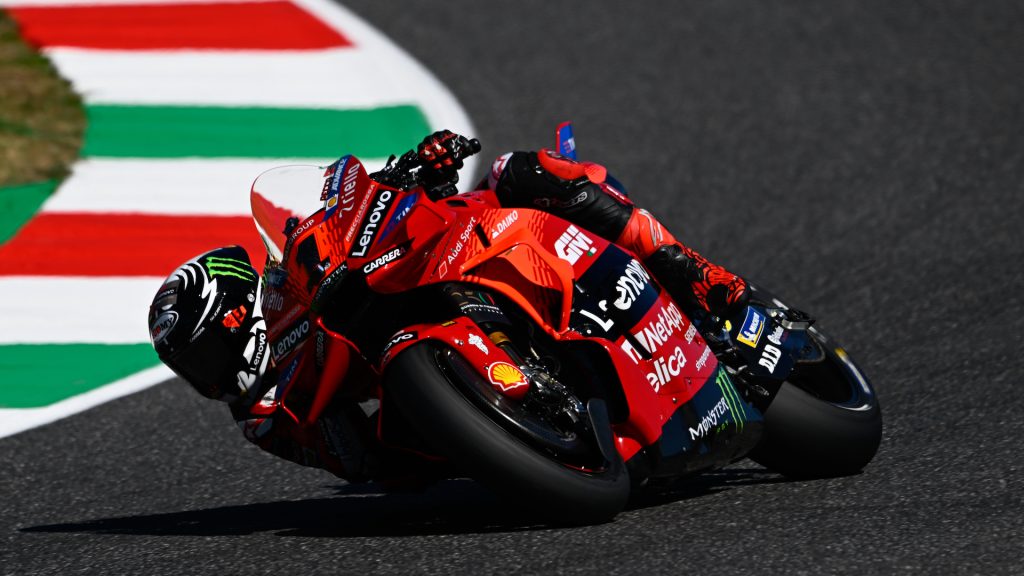
As a result, the rider feels 1G vertically downward along their local Z-axis and does not experience a lateral push. Therefore, generating lateral motion (sway) in the platform is both unnecessary and can introduce false cues. The lean compensates for the lateral force, making sway non-contributive in this specific dynamic context.
Game Support & Limitations
One major challenge is the lack of motorcycle simulators with proper telemetry output. Today, we rely on:
- PiBoSo GP Bikes a relatively advanced simulator,
- Assetto Corsa (modded) originally a car simulator, adapted with bike mods that are far from perfect in physics behavior.
This reflects a broader problem: game studios rarely develop physics engines dedicated to two-wheeled dynamics, and even fewer provide full telemetry support for motion systems. Additionally, hardware support (e.g. handlebars, leaning systems) is very limited compared to the mature market for sim racing and flight sim.
Thus, while simulation is achievable, we are far from the fidelity seen in racing and aviation simulators. Collaboration between studios and hardware developers will be essential to close the gap.
Here are some concepts I created in 2018 and submitted to Fanatec and Thrustmaster. At the time, both manufacturers felt the market wasn’t ready. But is it ready in 2025?


Do We Really Need a Stewart Platform?
This is a key question. Could we build a simpler, more cost-effective solution using only a few actuated DOFs (e.g., pitch and heave only)?

The answer depends on the level of realism desired. Even with sway and roll set to zero, a Stewart platform provides:
- Highly accurate seat positioning in 3D space, matching pitch and heave combinations during events like braking, wheelies, road bumps.
- Smooth blending of translational cues to mimic combined forces (e.g., when accelerating over a crest).
- Platform stiffness and dynamic response, superior to most DIY solutions.
In addition, the flexibility of a Stewart platform allows for future expansion—if games later support lean force feedback or more complex telemetry (e.g. seat-of-pants acceleration vectors), it can adapt without needing a full mechanical redesign.
Therefore, while a 2DOF or 3DOF platform may be sufficient for basic feedback, a Stewart platform is currently the most complete and versatile option for seat motion in motorcycle simulation.
Rider-Controlled Roll
Allowing the rider to physically lean provides:
- Natural interaction, engaging core balance and proprioception.
- Improved immersion without artificial roll cues.
- Avoidance of vestibular conflict caused by platform-generated roll.
This method aligns with real riding mechanics where the rider feels no side push but instead manages balance dynamically. The lean should be measured and limited physically to avoid unrealistic behaviors.
Center of Gravity and Full Cockpit Design
In a real MotoGP bike, the center of gravity (CG) of the bike-rider system is approximately:
- Height: 550–600 mm above the ground.
- Longitudinally: near the center of the wheelbase, slightly rearward of the steering axis.
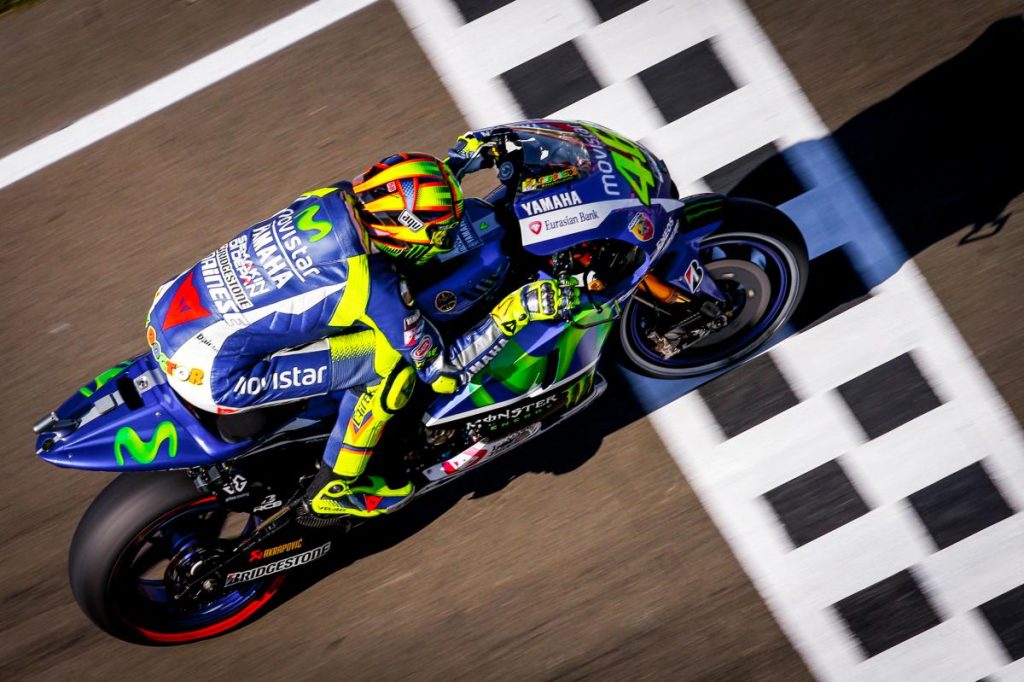
Riders actively move the CG by:
- Leaning into corners
- Tucking forward for acceleration
- Shifting weight during braking
- Hanging off the bike to maintain grip and reduce lean angle
This dynamic CG movement is fundamental to real motorcycle control and must be preserved in a simulator.
If the simulator includes seat, tank, and handlebars mounted on the Stewart platform, it allows:
- Realistic riding posture and interaction
- Proper hand/arm engagement with handlebars
- Accurate response to pitch and vertical cues during braking, acceleration, and bumps
However, this increases platform mass and raises the CG of the whole simulator. Mechanical design must ensure stability, with safety stops, strong actuator support, and a well-centered CG. The Stewart platform remains beneficial, as it can accurately move this entire cockpit in a way that preserves spatial fidelity.
Handling Edge Cases
In rare situations like:
- Overtaking large vehicles (e.g., trucks): Air compression can cause a lateral push.
- Strong crosswinds: The rider may feel true lateral displacement.
A small, low-pass-filtered sway component sy can be introduced based on specific conditions:
sy(t)=kwind⋅awind(t)+ktruck⋅adraft(t)
Where:
- awind(t) = lateral acceleration from wind
- adraft(t) = transient draft force from nearby vehicles
- kwind,ktruck = gain factors (very small)
This should be subtle and not tied directly to continuous lateral G-forces.
Mechanical Design Overview
The upper roll frame can be implemented as a pivoting cradle allowing the rider to lean the entire mock motorcycle. Resistance can be tuned via damping or adjustable springs to mimic real bike behavior. Safety stops and limits should be added to prevent excessive lean or instability. Sensors can optionally be added to track rider lean angle for in-game feedback.
In this configuration, the Stewart platform is mounted on a longitudinal pivot frame, which serves as the roll axis. The pivot is rider-actuated, allowing manual lean similar to a real bike. The challenge lies in balancing the mass of the Stewart platform and cockpit the pivot must support dynamic loading while remaining responsive to the rider’s input. Counterweights, springs, or electronic dampers may be used to achieve tunable roll stiffness. Roll angle sensors can be used for visual telemetry or in-game feedback.
Conclusion
Combining a 6DOF Stewart platform with a rider-actuated roll axis creates a more faithful simulation of motorcycle dynamics. By letting the rider control lean while the platform handles vertical and longitudinal cues, the system maintains immersion and realism while avoiding unnatural motion sensations. However, for the field to reach the fidelity of sim racing or flight sim, game developers must invest in better bike physics models and full telemetry output, and hardware manufacturers must provide more integrated control systems and accessories tailored for two-wheeled simulation.